What to Consider Before Investing in a Hydraulic Thumb
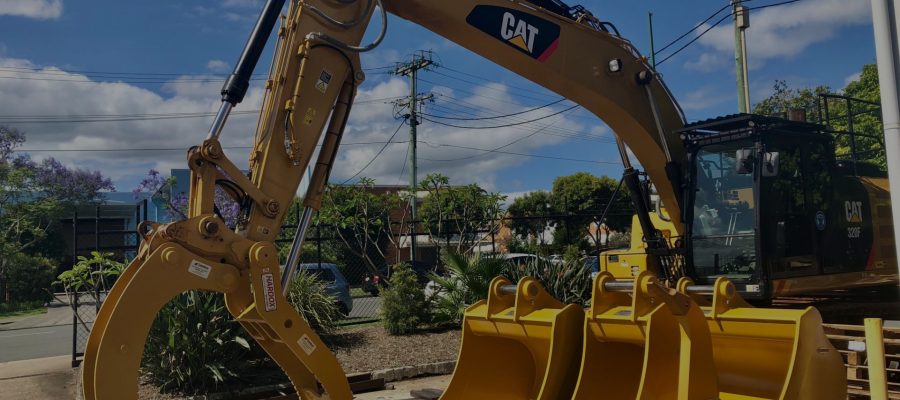
A hydraulic thumb can completely transform the capability of your excavator. From handling rocks and demolition debris to placing retaining wall blocks and managing scrap, it turns your bucket into a powerful gripping tool.
But not all hydraulic thumbs are built the same.
Choosing the wrong one — especially a cheap import — can lead to costly downtime, premature wear, and expensive repairs. Before you invest, here’s what you need to consider to make the right decision for your machine and your work.
- What Work Are You Actually Doing?
Hydraulic thumbs generally come in two main configurations: Bracket Pivot Style and Hitch Pivot Style.
For rock wall builders and demolition contractors, a Hitch Pivot Style thumb is often the better option. It provides stronger pivot geometry, improved gripping performance, and greater durability under heavy, repetitive loads.
For general earthmoving and occasional gripping work, a Bracket Pivot Style thumb may suit lighter applications.
The key is matching the thumb to the job — not just choosing the cheapest option available.
- Make Sure It Has the Functionality You Need
Many low-cost imported units suffer from poor pivot design, incorrect geometry, low-grade steel, undersized pins and bushes, and weak welds.
When something fails, you don’t just pay for repairs. You pay for downtime, lost productivity, delayed projects, and idle machinery.
A hydraulic thumb becomes part of your machine’s daily performance. Poor design equals poor reliability.
- Reliability Is Everything
It’s easy to compare prices. It’s harder to calculate total cost of ownership.
A quality hydraulic thumb may cost more upfront, but it will last longer, require fewer repairs, maintain alignment and gripping strength, reduce downtime, and protect your excavator from unnecessary stress.
If your machine earns income every day, reliability isn’t optional.
- Consider Your Quick Hitch Setup
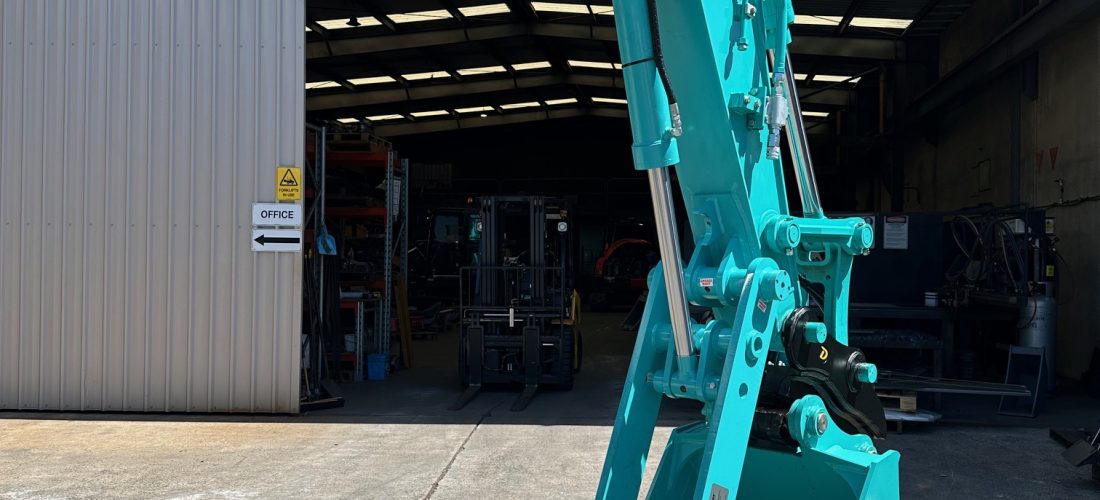
Whether you run a standard quick hitch or a tilting quick hitch, the type of hitch affects thumb positioning, geometry, strength requirements, and overall cost.
A thumb designed correctly for your hitch will operate smoother and wear more evenly than a generic design.
- Custom Built vs Mass Produced
A properly built thumb should match your bucket width and curvature, align correctly with your pivot geometry, fit your quick hitch precisely, and be engineered for your machine’s size.
When it’s built specifically for your excavator, you get better performance, better longevity, and better value.
- Strength of Materials & Engineering
Before purchasing, consider the grade of steel used, whether the pins are hardened, if bushes are replaceable, and whether the pivot is properly supported.
Heavy-duty construction, thicker steel, proper pivot design, and high-quality welding all matter.
The Bottom Line
Choosing the right hydraulic thumb isn’t just about buying an accessory — it’s about investing in performance, reliability, and long-term value.
If you’re unsure which hydraulic thumb is right for your application, talk to the experts at Gardner Engineering.
We’ll assess your machine, your hitch setup, and the type of work you’re doing — and recommend the right solution for long-term reliability and performance.
Call us today on (07) 3801 3855 or get in touch for a tailored quote. Our team is here to help you make the right investment the first time.